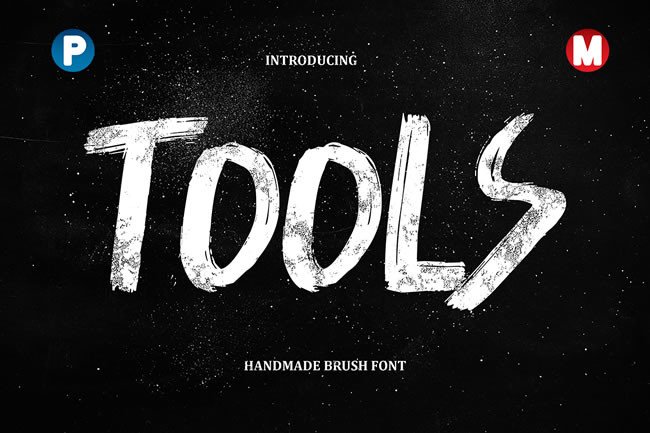
Tools Typeface: Elevating Small Business Branding
When I sat down to redesign the packaging for a local artisan candle shop last month, the owner was struggling with a common problem. Her products were exquisite, smelling of lavender and aged wood, but her labels looked generic. She had been using a standard system font that failed to capture the warmth and handmade quality of her goods. That is when I introduced her to Tools, a distinctive choice among modern Display Fonts that immediately shifted the visual tone of her brand. This experience reminded me how critical typography is in telling a business’s story before a customer even touches the product.
Why Tools Is the Ideal Handmade Brush Typeface for Artisan Brands
Tools is not just another digital asset; it is a handmade brush typeface that brings an authentic, human touch to commercial design. In a market saturated with sleek, corporate minimalism, many small business owners are searching for ways to stand out by emphasizing their craft. The irregular strokes and organic texture of this font mimic the natural movement of a real brush, creating an immediate sense of intimacy and care. For brands rooted in handmade goods, such as pottery studios, bespoke jewelry makers, or organic skincare lines, this aesthetic alignment is invaluable. It signals to the customer that there is a person behind the product, not just a machine. Using Tools allows these businesses to translate the tactile quality of their work into their visual identity, making their branding materials feel as curated and thoughtful as the items they sell.
Transforming Packaging Design and Product Labels with Authentic Typography
One of the most impactful applications for this typeface is in packaging design and product labels. When you are holding a physical item, the typography on the label serves as the final handshake between the maker and the buyer. I have seen how switching to a font like Tools can elevate a simple kraft paper box or a glass jar into a premium gift-ready item. Because it is a Display font, it works best for short, punchy text rather than long paragraphs. It shines when used for product names, key ingredients, or short taglines on stickers and tags. For instance, a bakery using this font for the name of their "Sourdough Loaf" on a linen bag creates a rustic, inviting feel that a clean sans serif might miss. However, readability is key. On smaller labels, ensure the size is large enough to maintain the integrity of the brush strokes. Pairing it with a highly legible sans serif for the weight, volume, or ingredient list ensures that while the brand looks artistic, the essential information remains clear and professional.
Creating Memorable Business Cards and Invitations That Stand Out
Beyond physical products, Tools excels in creating memorable business cards and invitations. In the world of networking and events, first impressions are formed in seconds. A business card featuring this handmade brush typeface suggests creativity, approachability, and attention to detail. It is perfect for freelancers, photographers, wedding planners, and boutique owners who want their contact information to feel personal rather than transactional. Similarly, for event-based businesses, this font is ideal for designing invitations and greeting cards. Whether it is a workshop announcement, a store opening, or a holiday sale, the warm character of the font invites engagement. It transforms a standard digital flyer into something that feels like a personal note. When used on social media graphics or digital ads, it stops the scroll by offering a visual break from the rigid, geometric fonts that dominate most feeds. It adds a layer of sophistication that feels effortless, helping brands build a consistent and recognizable identity across all touchpoints.
Smart Font Pairing Strategies for a Polished Brand Identity
To get the most out of Tools, understanding how to pair it with other typography styles is essential. Since it is a bold, expressive Display font, it needs a supportive partner to handle body text and secondary information. I recommend pairing it with a clean, neutral sans serif font for a modern, balanced look. This combination works beautifully for café menus, where the font highlights the special drinks while the sans serif lists the descriptions clearly. Alternatively, pairing it with an elegant serif font can create a high-end, editorial vibe suitable for luxury beauty brands or fashion boutiques. The contrast between the rough, handmade feel of Tools and the structured elegance of a serif creates visual interest without causing clutter. Avoid pairing it with other script or handwritten fonts, as this can lead to visual competition and reduce readability. The goal is to let Tools be the star of the headline while the supporting font ensures the message is easily digestible. This strategic approach to font pairing helps maintain a cohesive brand identity that looks professional and well-designed, regardless of the platform.
Ensuring Commercial Readiness and Licensing for Professional Use
Before integrating any new typeface into your business materials, it is crucial to verify the licensing terms. Tools is designed for commercial use, making it a safe and reliable choice for entrepreneurs who sell physical products or offer digital services. Whether you are printing thousands of product labels, creating templates for clients, or designing merchandise for an online shop, having the correct commercial font license protects your business from legal issues. Additionally, check the included file formats and styles to ensure compatibility with your design software. Most professional designers prefer OpenType files for their flexibility and support for advanced typographic features. While Tools is primarily a display font, checking for any included alternates or ligatures can add extra customization options to your logo design or unique branding elements. By treating your typography choices with the same diligence as your supply chain or customer service protocols, you ensure that your brand remains polished, consistent, and legally sound. This attention to detail is what separates hobbyist projects from serious, scalable businesses.